
Scheduling Smart Maintenance to Avoid Surprises on the Road
If you ever wondered how often a family car really needs a checkup, the answer is a bit more nuanced than just sticking to the calendar. Keeping a vehicle in good shape isn’t only about ticking boxes; it’s about knowing what your car needs to stay safe and reliable through everything from the school run to weekend getaways. A solid family car maintenance checklist can make all the difference, helping track essential tasks and avoid overlooking the small details that could lead to bigger problems down the road. Regular inspections and timely service help keep the engine humming, the brakes responsive, and the tires gripping just right, turning every trip into a smoother, worry-free experience.
The reality is, the frequency of maintenance depends on a variety of factors, including the vehicle’s age, mileage, and driving conditions. For many families, that means more frequent checkups if there are lots of short trips or heavy stop-and-go traffic involved. On the other hand, highway driving at steady speeds can be gentler on a car’s components. Most experts suggest following the manufacturer’s guidelines as a baseline, but there’s also value in adapting to the car’s unique behavior. For instance, if the steering feels off or the brakes start to squeak, it’s time not to wait for the next scheduled service but to get things checked right away. Prevention is always easier and less costly than repair.
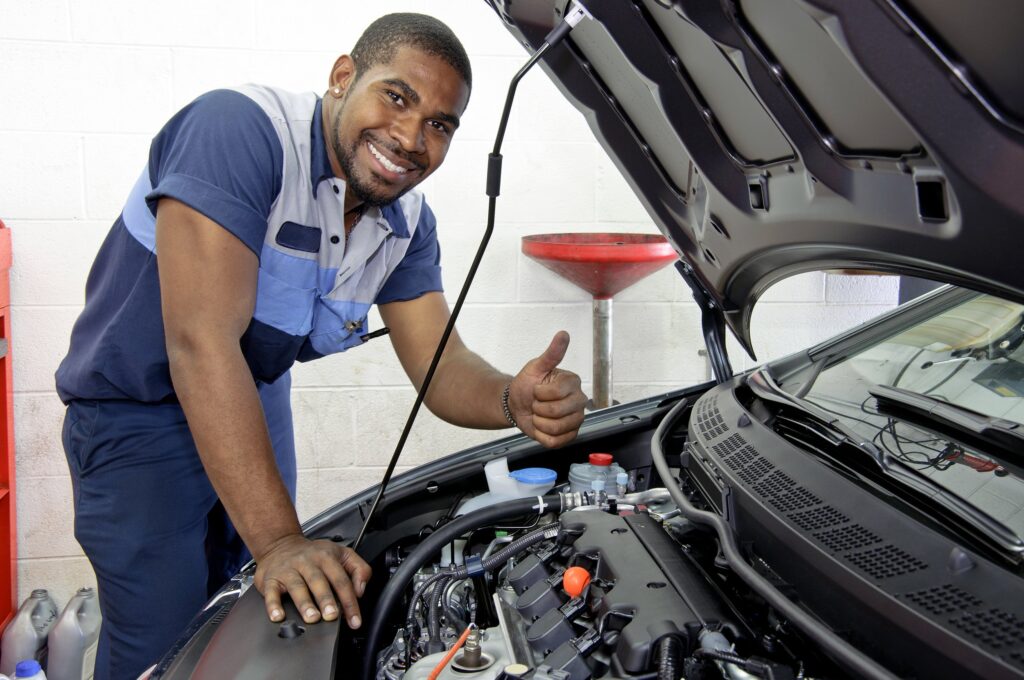
Choosing the right car repair shop plays a big role in how smoothly this whole maintenance process goes. A trustworthy shop understands that family cars aren’t just machines, they’re lifelines for busy lives. The best service providers offer thorough inspections and clear explanations, so no one feels left in the dark. They use a family car maintenance checklist not only to make sure nothing is missed but also to tailor recommendations to the specific vehicle and its usage. This personalized care builds trust and helps families feel confident the car will keep running safely, mile after mile.
It’s also worth remembering that some maintenance tasks need attention more often than others. For example, oil changes generally happen every 5,000 to 7,500 miles depending on the type of oil and driving habits. Tire rotations and brake inspections usually fit into a six-month to yearly window, while more complex services like transmission checks or coolant flushes come at longer intervals. Keeping track of these schedules can feel overwhelming, but it’s exactly where a maintenance checklist becomes a practical tool. It helps balance routine upkeep with proactive care, so the car is ready for every season and every unexpected moment on the road.
At the end of the day, a family car maintenance checklist isn’t just a list of chores, it’s a roadmap to reliability and peace of mind. Knowing when to bring the car in for service, who to trust with the repairs, and what to expect keeps things running smoothly. Families depend on their cars for everything from errands to adventures, so keeping the vehicle in top shape is a way of protecting everyone’s comfort and safety. Taking the time to schedule smart maintenance, rather than waiting for problems to appear, makes every journey better and more enjoyable.